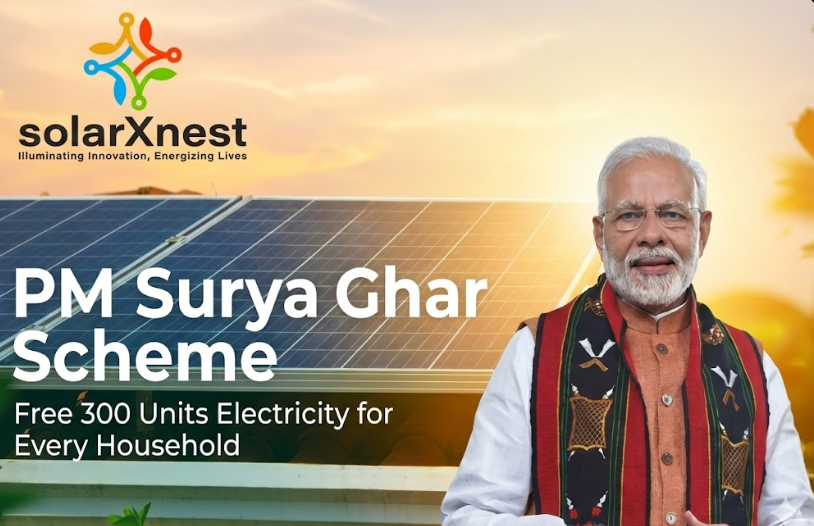
PM Surya Ghar Scheme: Free 300 Units Electricity for Every Household in India
With rising electricity costs and growing environmental concerns, the PM Surya Ghar Scheme offers a practical and future-ready solution. Through generous government subsidies and simplified installation processes, the PM Surya Ghar Scheme empowers families to generate their own electricity while reducing dependency on the power grid.
In this detailed guide, we will explain everything you need to know about the PM Surya Ghar Scheme, including benefits, eligibility, subsidy structure, installation steps, savings, FAQs, and why this scheme is a game-changer for India.
What Is the PM Surya Ghar Scheme?
The PM Surya Ghar Scheme is a centrally sponsored rooftop solar scheme introduced by the Government of India to accelerate residential solar adoption. Under the PM Surya Ghar Scheme, households can install rooftop solar panels and receive financial assistance to reduce installation costs.
The core objective of the PM Surya Ghar Scheme is simple:
- Enable Indian households to generate solar power at home
- Provide free electricity up to 300 units per month
- Reduce electricity bills to near zero
- Promote clean and sustainable energy
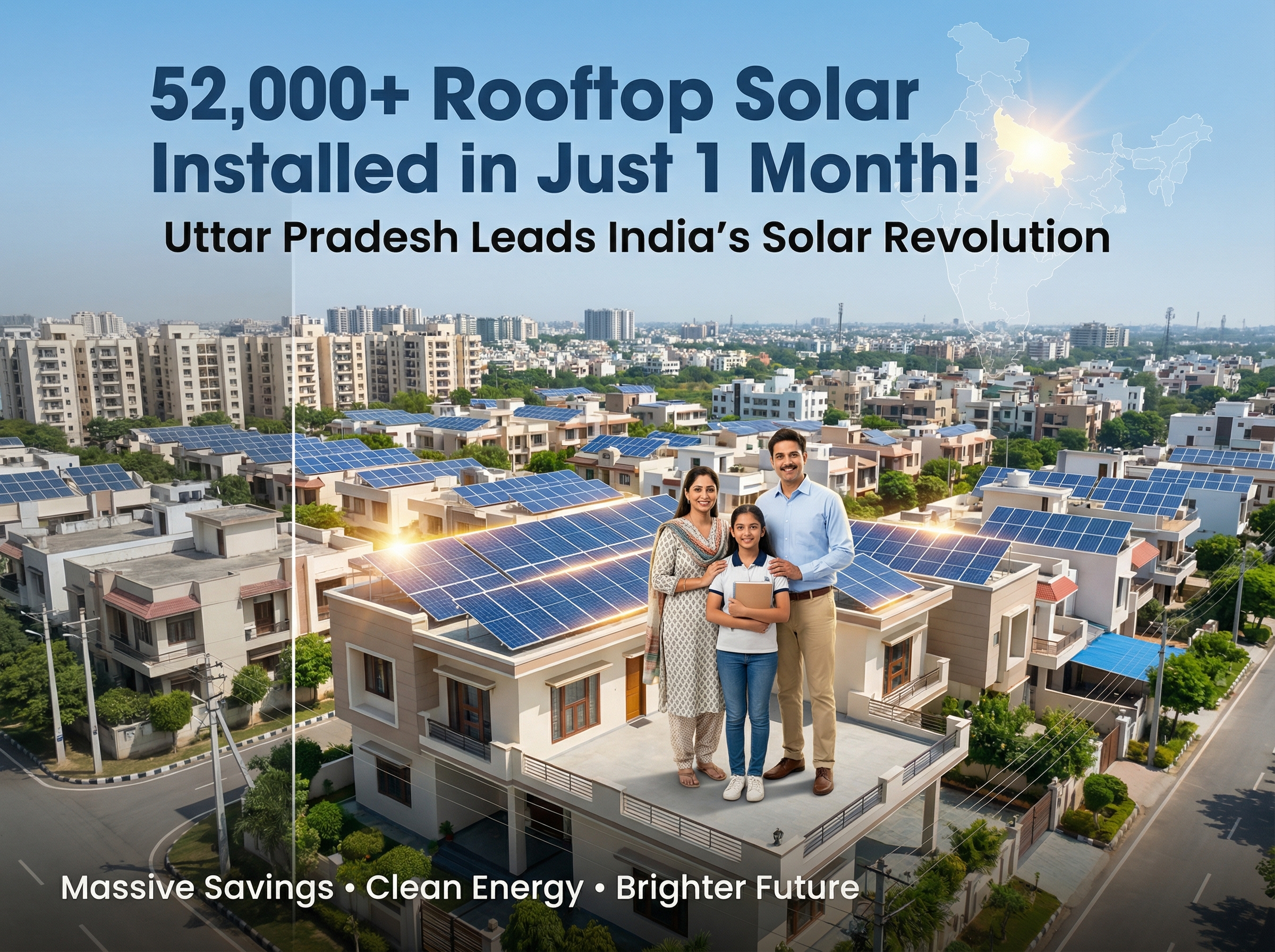
The PM Surya Ghar Scheme targets 1 crore households across urban and rural India, making it one of the largest residential solar initiatives in the world.
Why the PM Surya Ghar Scheme Is Important for India
The PM Surya Ghar Scheme plays a critical role in India’s long-term energy and climate goals.
Key reasons the PM Surya Ghar Scheme matters:
- Rising Electricity Costs
The PM Surya Ghar Scheme protects households from increasing power tariffs. - Clean Energy Transition
By adopting rooftop solar under the PM Surya Ghar Scheme, households directly reduce carbon emissions. - Energy Independence
The PM Surya Ghar Scheme allows families to produce electricity instead of relying entirely on DISCOMs. - Employment Generation
Installation, maintenance, and manufacturing linked to the PM Surya Ghar Scheme create local jobs. - Reduced Grid Load
Decentralised power generation through the PM Surya Ghar Scheme lowers stress on the national grid.
PM Surya Ghar Scheme Benefits for Households
The PM Surya Ghar Scheme offers multiple direct and indirect benefits.
Major benefits of the PM Surya Ghar Scheme:
- Free electricity up to 300 units every month
- Significant reduction in electricity bills
- Government subsidy on rooftop solar installation
- Long-term savings for 20–25 years
- Increased property value
- Environment-friendly energy source
- Low-maintenance solar systems
For most middle-class households, the PM Surya Ghar Scheme can eliminate monthly electricity bills completely.
Understanding “300 Units Free Electricity” Under PM Surya Ghar Scheme
One of the most searched aspects of the PM Surya Ghar Scheme is the promise of 300 units of free electricity.
What does 300 units mean?
- 1 unit = 1 kilowatt-hour (kWh)
- Under the PM Surya Ghar Scheme, rooftop solar systems generate electricity
- This generated electricity offsets grid consumption
- Up to 300 units per month are effectively free
The PM Surya Ghar Scheme does not provide cash for electricity. Instead, it enables households to generate solar energy that replaces paid electricity usage.
Eligibility Criteria for PM Surya Ghar Scheme
To apply for the PM Surya Ghar Scheme, households must meet certain eligibility requirements.
Who can apply for the PM Surya Ghar Scheme?
- Indian residential households
- House owners with rooftop access
- Valid electricity connection
- Suitable roof structure for solar panels
- Bank account for subsidy transfer
Both urban and rural households are eligible under the PM Surya Ghar Scheme.
PM Surya Ghar Scheme Subsidy Structure Explained
A major attraction of the PM Surya Ghar Scheme is the government subsidy.
How subsidy works under the PM Surya Ghar Scheme:
- Subsidy is provided per kilowatt (kW) of installed capacity
- Direct Benefit Transfer (DBT) to beneficiary account
- Reduced upfront installation cost
- Higher subsidy for smaller residential systems
This subsidy ensures that the PM Surya Ghar Scheme remains affordable even for middle- and lower-income families.
Recommended Solar System Size Under PM Surya Ghar Scheme
To generate 300 units per month, the PM Surya Ghar Scheme typically recommends:
| System Size | Monthly Generation (Approx.) |
|---|---|
| 1 kW | 90–150 units |
| 2 kW | 180–300 units |
| 3 kW | 270–450 units |
Most households under the PM Surya Ghar Scheme opt for a 3 kW rooftop solar system to consistently reach the 300-unit target.
Step-by-Step Application Process for PM Surya Ghar Scheme
Applying for the PM Surya Ghar Scheme is straightforward.
How to apply for the PM Surya Ghar Scheme:
- Visit the official portal for the PM Surya Ghar Scheme
- Register with electricity consumer number
- Select an empanelled vendor
- Get site survey and quotation
- Approve installation plan
- Install rooftop solar system
- Inspection and commissioning
- Receive subsidy under PM Surya Ghar Scheme
Net Metering and Billing Under PM Surya Ghar Scheme
Net metering is a key component of the PM Surya Ghar Scheme.
How net metering works:
- Solar power is used first by the household
- Extra electricity is exported to the grid
- Exported units are adjusted against consumption
- The monthly bill shows reduced or zero payable amount
The PM Surya Ghar Scheme works in coordination with state DISCOM net-metering policies.
Maintenance and Warranty in PM Surya Ghar Scheme
Solar systems under the PM Surya Ghar Scheme are low maintenance.
Typical warranties:
- Solar panels: 25 years
- Inverter: 5–10 years
- Performance guarantee: 80%+ output for decades
With proper maintenance, systems installed under the PM Surya Ghar Scheme last over 25 years.
Environmental Impact of PM Surya Ghar Scheme
The PM Surya Ghar Scheme contributes directly to sustainability.
Environmental benefits:
- Reduced fossil fuel usage
- Lower greenhouse gas emissions
- Cleaner air in urban areas
- Support for India’s climate commitments
Each household under the PM Surya Ghar Scheme becomes a micro clean-energy producer.
PM Surya Ghar Scheme vs Traditional Electricity
| Aspect | Traditional Power | PM Surya Ghar Scheme |
|---|---|---|
| Cost | Increasing tariffs | Free up to 300 units |
| Source | Coal-based | Solar energy |
| Reliability | Grid-dependent | Self-generated |
| Environmental impact | High | Minimal |
Frequently Asked Questions About PM Surya Ghar Scheme
Is the PM Surya Ghar Scheme available in all states?
Yes, the PM Surya Ghar Scheme is a nationwide scheme.
Do I need batteries under the PM Surya Ghar Scheme?
No. Battery storage is optional and not mandatory under the PM Surya Ghar Scheme.
Can apartments apply for the PM Surya Ghar Scheme?
Yes, subject to rooftop availability and housing society approval.
How long does installation take under the PM Surya Ghar Scheme?
Usually 2–4 weeks after approval.
Challenges and Limitations of PM Surya Ghar Scheme
While powerful, the PM Surya Ghar Scheme has some limitations:
- Roof availability in dense cities
- Awareness gaps in rural areas
- State-wise net-metering differences
However, ongoing government efforts aim to overcome these challenges.
Future of PM Surya Ghar Scheme in India
The PM Surya Ghar Scheme is expected to:
- Expand rooftop solar capacity rapidly
- Reduce national power demand
- Encourage domestic solar manufacturing
- Make clean energy mainstream
Over time, the PM Surya Ghar Scheme could redefine how Indians consume electricity.
Conclusion: Why You Should Opt for the PM Surya Ghar Scheme
The PM Surya Ghar Scheme is more than just a subsidy programme. It is a long-term investment in financial savings, environmental protection, and energy independence.
By adopting the PM Surya Ghar Scheme, households can:
- Enjoy free electricity up to 300 units
- Reduce lifetime electricity expenses
- Support India’s clean energy future
If you own a house with a suitable roof, the PM Surya Ghar Scheme is one of the smartest decisions you can make today.
Ministry of New and Renewable Energy rooftop solar initiatives
Also Read: Myths About Solar Panels in India – Truth vs Reality Explained