
Introduction
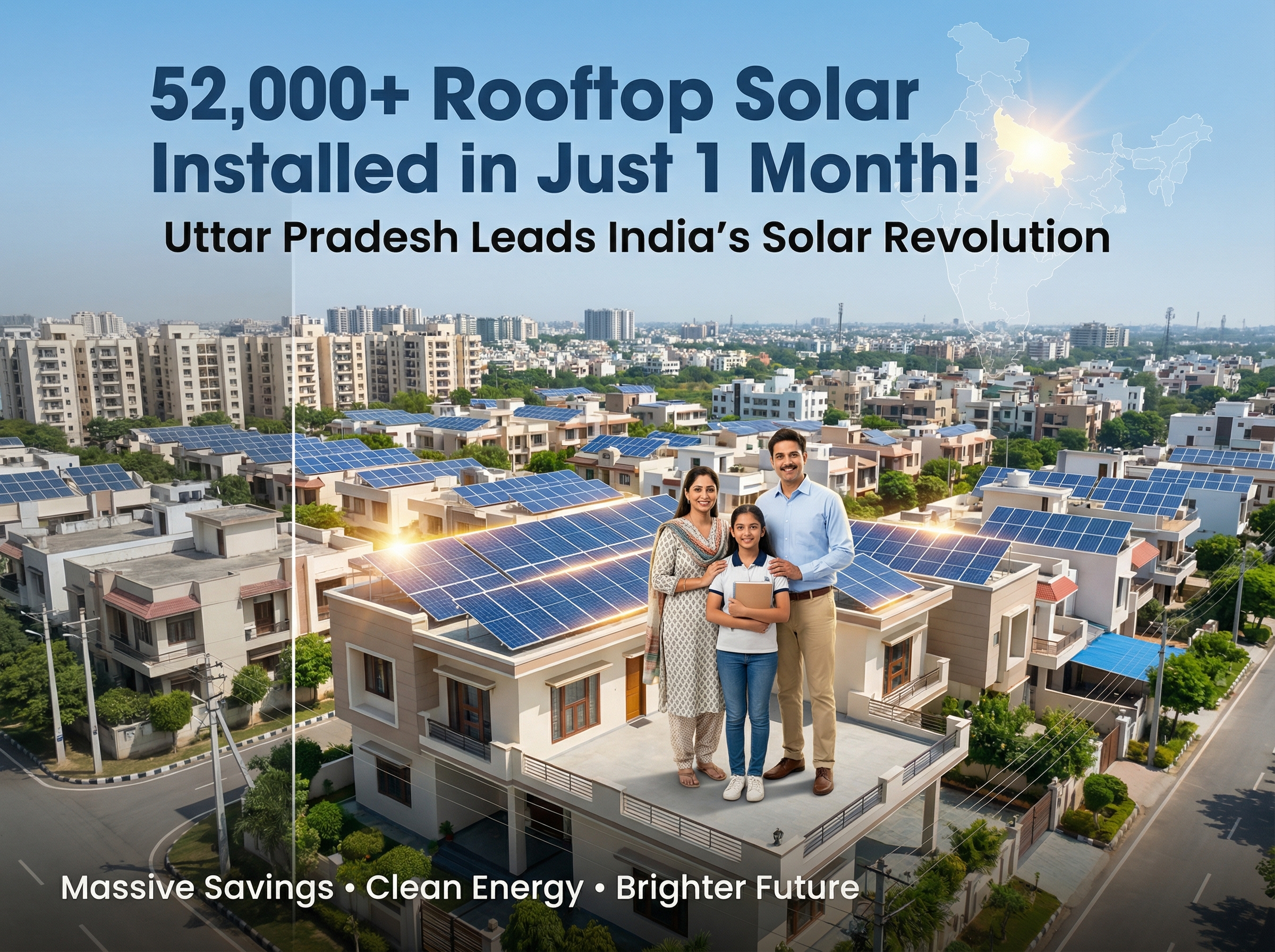
India has reached a historic milestone in its clean energy journey as the Prime Minister applauded the successful installation of 30 lakh rooftop solar systems under the PM Surya Ghar: Muft Bijli Yojana. This achievement marks one of the fastest expansions of residential solar adoption anywhere in the world and signals a major transformation in how Indian households generate and consume electricity.
The PM Surya Ghar Scheme is not just an energy initiative; it represents a nationwide movement toward sustainability, reduced electricity costs, and energy independence. With millions of homes now producing their own solar power, India is reshaping its energy future while empowering citizens economically and environmentally.
This blog explores the scheme’s objectives, achievements, benefits, challenges, economic impact, and what this milestone means for India’s renewable energy future.
What is the PM Surya Ghar Scheme?
The PM Surya Ghar: Muft Bijli Yojana is a government initiative launched to promote rooftop solar installations across Indian households. The programme aims to provide affordable and clean electricity while reducing dependence on fossil fuels.
Key Objectives of the Scheme
- Promote rooftop solar adoption nationwide
- Reduce electricity bills for households
- Support India’s climate commitments
- Increase renewable energy capacity
- Encourage decentralised power generation
The government targets installing rooftop solar systems in 1 crore households, making it one of the largest residential solar programmes globally.
The 30 Lakh Rooftop Solar Milestone
Crossing 30 lakh rooftop solar installations represents a significant achievement for India’s renewable energy ecosystem.
Why This Milestone Matters
- Rapid adoption of clean energy at the household level
- Reduced pressure on traditional power grids
- Lower electricity costs for families
- Increased public participation in sustainability
The Prime Minister praised citizens, state governments, and industry stakeholders for accelerating solar adoption and contributing to India’s green transformation.
How Rooftop Solar Works
Rooftop solar systems allow homeowners to generate electricity using solar panels installed on rooftops.
Basic Working Process
- Solar panels capture sunlight.
- Panels convert sunlight into electricity.
- An inverter converts power into usable AC electricity.
- Electricity powers household appliances.
- Excess power is exported to the grid.
This system enables households to become prosumers — both producers and consumers of electricity.
Benefits of the PM Surya Ghar Scheme
1. Free Electricity Benefits
Many households receive up to 300 units of free electricity per month, significantly reducing monthly expenses.
2. Lower Electricity Bills
Solar energy reduces dependence on grid electricity, leading to long-term savings.
3. Environmental Benefits
- Reduced carbon emissions
- Cleaner air quality
- Lower fossil fuel usage
4. Energy Independence
Families gain control over electricity generation and consumption.
5. Increased Property Value
Homes with solar systems often see higher market value due to energy efficiency benefits.
Financial Support and Subsidies
The government provides attractive subsidies to make rooftop solar affordable.
Subsidy Structure (Typical)
- Up to 60% subsidy for small systems
- Direct bank transfer to beneficiaries
- Simplified application process via online portal
These incentives have significantly accelerated adoption across urban and semi-urban India.
Economic Impact of the Scheme
The PM Surya Ghar Scheme is creating large-scale economic opportunities.
Job Creation
The solar ecosystem generates employment in:
- Manufacturing
- Installation services
- Maintenance
- Logistics
- Engineering services
Millions of green jobs are expected as installations increase.
Boost to Domestic Manufacturing
India is strengthening local solar manufacturing under the “Make in India” initiative, reducing reliance on imports.
Impact on India’s Renewable Energy Goals
India aims to achieve ambitious renewable energy targets by 2030. Rooftop solar plays a crucial role in achieving these goals.
Contributions Include:
- Increased renewable capacity
- Distributed energy generation
- Reduced transmission losses
- Faster energy transition
Residential solar adoption complements large solar parks and utility-scale projects.
Environmental Impact
Solar adoption significantly reduces greenhouse gas emissions.
Estimated Environmental Benefits
- Millions of tonnes of CO₂ emissions avoided
- Reduced coal dependency
- Improved sustainability metrics
Every rooftop solar installation contributes directly to climate action.
Digital Transformation and Smart Energy
The scheme leverages technology for seamless implementation.
Digital Features
- Online application portal
- Subsidy tracking system
- Vendor verification
- Installation monitoring
Digitalisation ensures transparency and faster approvals.
Challenges Faced During Implementation
Despite rapid growth, some challenges remain.
Key Challenges
- State-level approval delays
- Grid infrastructure limitations
- Consumer awareness gaps
- Financing accessibility in rural areas
Addressing these issues will be crucial to achieving the 1 crore target.
Role of State Governments
State governments play a vital role in implementation through:
- Net metering policies
- Local subsidies
- Awareness campaigns
- Vendor certification
Collaboration between central and state authorities has accelerated progress.
Rising Public Awareness About Solar Energy
One major success factor behind the scheme is increasing awareness among citizens.
People now recognise solar energy as:
- Reliable
- Affordable
- Future-ready
- Environmentally responsible
Social media campaigns and government outreach have helped drive adoption.
Rooftop Solar vs Traditional Power
| Feature | Rooftop Solar | Traditional Electricity |
|---|---|---|
| Energy Source | Renewable | Fossil fuels |
| Cost Over Time | Low | Increasing |
| Environmental Impact | Minimal | High |
| Power Control | Consumer-owned | Utility-controlled |
The shift toward rooftop solar indicates a structural transformation in India’s energy model.
Future Roadmap of the PM Surya Ghar Scheme
The government plans to expand the programme significantly.
Upcoming Goals
- Reach 1 crore households
- Improve battery storage adoption
- Integrate smart grids
- Promote solar financing models
India aims to become a global leader in residential solar adoption.
Global Recognition of India’s Solar Progress
International organisations and investors are recognising India’s renewable energy leadership.
India’s success demonstrates how developing economies can scale clean energy rapidly through policy support and citizen participation.
Role of Technology and Innovation
Innovation is making solar systems more efficient and affordable.
Emerging Technologies
- High-efficiency solar panels
- AI-based energy monitoring
- Solar batteries
- Smart inverters
These advancements will further accelerate adoption.
How Households Can Apply
Simple Application Steps
- Register on official portal
- Select approved vendor
- Install solar system
- Inspection and approval
- Receive subsidy
The simplified process encourages widespread participation.
Social Impact of the Scheme
Beyond energy benefits, the scheme improves quality of life.
Social Advantages
- Reduced financial stress
- Reliable electricity supply
- Support for small businesses
- Rural empowerment
Solar energy is becoming a tool for inclusive growth.
Why This Achievement is a Turning Point
The 30 lakh milestone proves that India has moved beyond pilot projects into mass adoption.
It shows:
- Policy effectiveness
- Public trust
- Market maturity
- Strong renewable ecosystem
India is transitioning from energy consumer to energy innovator.
Conclusion
The Prime Minister’s appreciation of 30 lakh rooftop solar installations under the PM Surya Ghar Scheme marks a defining moment in India’s clean energy journey. The initiative demonstrates how strong policy vision, financial incentives, and citizen participation can transform a nation’s energy landscape.
As India moves toward its ambitious renewable energy targets, rooftop solar will remain a cornerstone of sustainable development. The PM Surya Ghar Scheme is not only reducing electricity bills but also empowering millions of households to participate actively in building a greener and energy-secure future.
With continued innovation, awareness, and infrastructure improvements, India is well on its way to becoming a global solar powerhouse.
Also Read : India’s Solar Future Takes Center Stage: India Solar Week 2026 Opens With MNRE Support